 CycleWerx Marketing
Before You Add More AI to Your Marketing, Check These 7 Things
 Scotty Smith: Sep 30, 2026, 10:16:39 PM
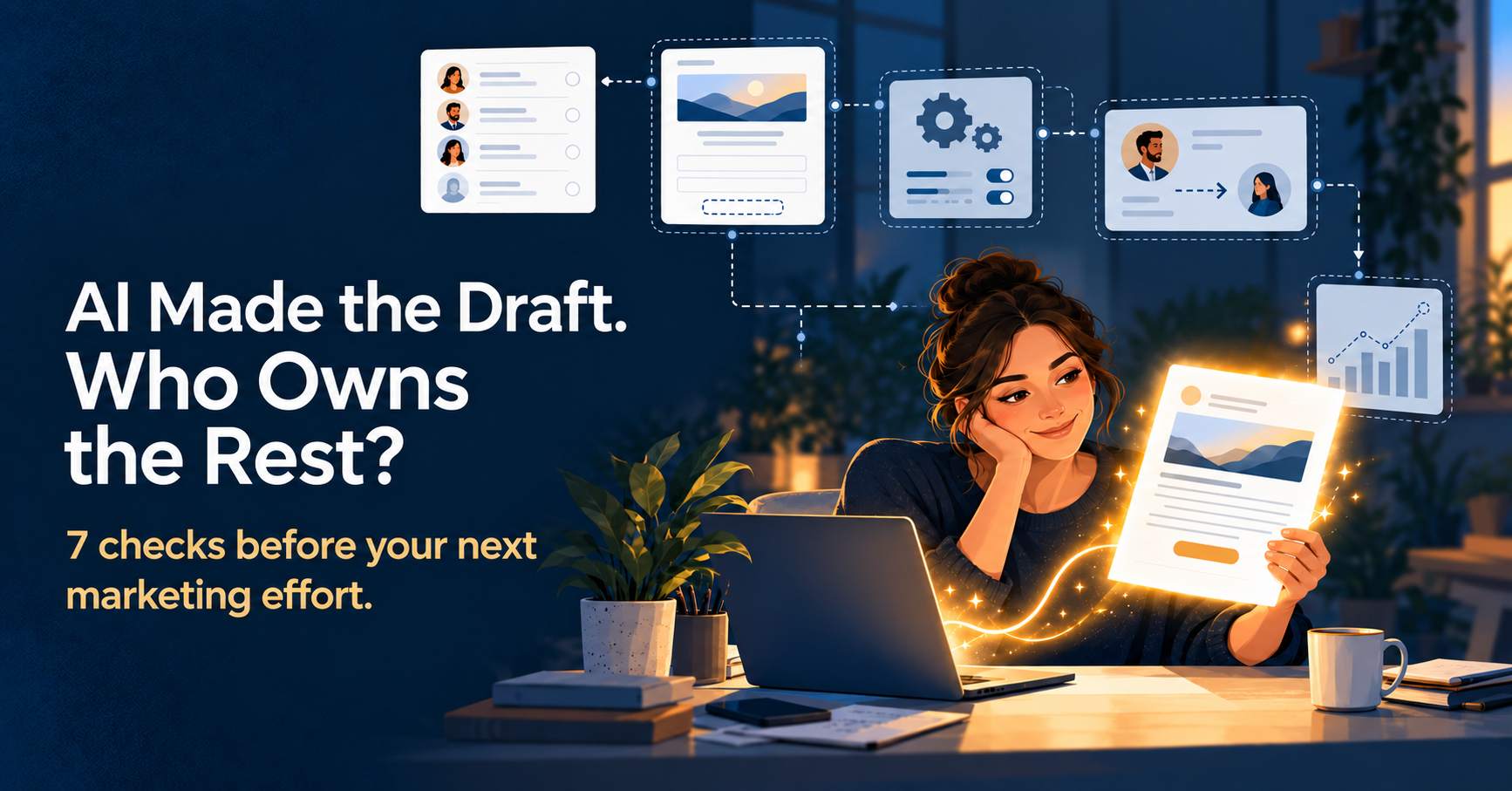
AI has made it easier for a small B2B company to get marketing started.
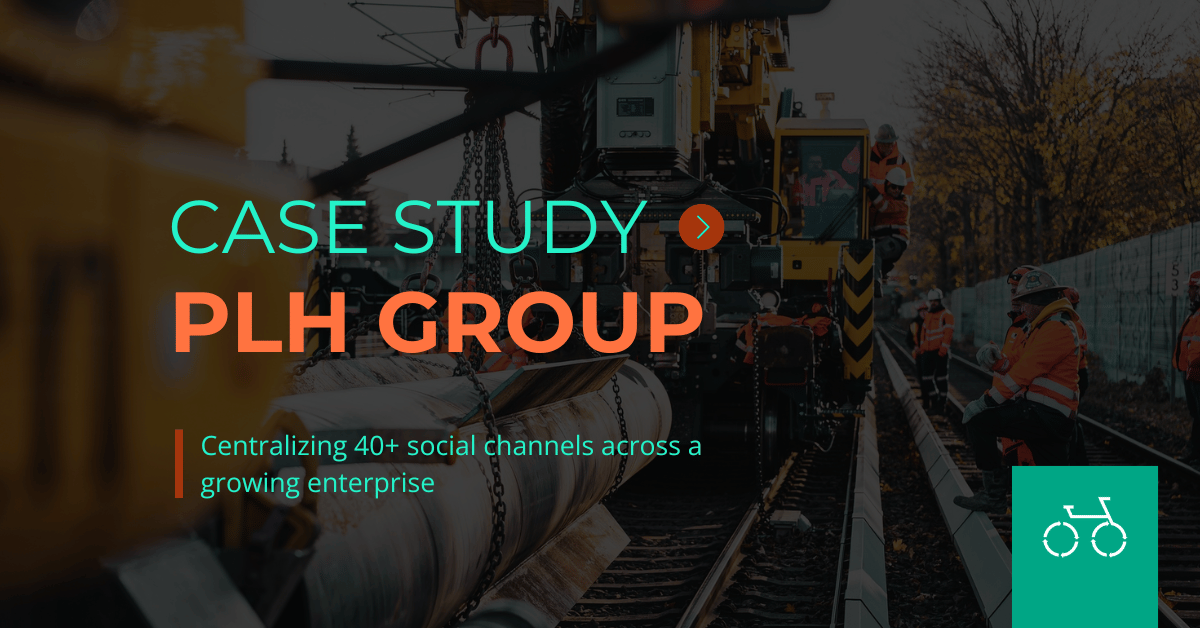
Client: PLH Group | Industry: Utility Infrastructure, Specialty Construction & Enterprise Field Services
Services Provided: Marketing Operations, Social Media Governance, Reporting & Analytics, Process Standardization, and Strategic Advisory

Enterprise social media management gets complicated fast.
Especially when growth, acquisitions, subsidiaries, outside agencies, and multiple stakeholders are all involved.
That was the challenge facing PLH Group when CycleWerx Marketing was brought in to help centralize and professionalize its social media operations.
At the time of the engagement, PLH Group was a large utility-focused specialty construction and infrastructure company operating across multiple subsidiaries and service brands throughout the United States.
In 2022, PLH Group was acquired by Primoris Services Corporation, a publicly traded specialty contractor focused on utility, energy, renewables, communications, and infrastructure markets across North America.
While this engagement originally took place prior to PLH Group’s acquisition by Primoris Services Corporation, the operational and governance challenges addressed remain highly relevant for growing multi-brand organizations today.
The engagement required coordinating social media operations across a complex enterprise environment involving multiple business units, decentralized account ownership, and large-scale operational visibility needs.
What started as a social media migration project quickly evolved into a broader operational and strategic initiative.
“Scotty and the CycleWerx Marketing team were excellent to work with. They helped us bring structure, clarity, and better reporting visibility to a complex marketing operations project involving multiple accounts, stakeholders, and platforms.”
— Karen Beck
PLH Group’s social media ecosystem had grown organically over time.
The organization was managing approximately:
This created several operational problems:
In addition, portions of the infrastructure were still controlled externally through agency relationships, making long-term ownership and operational consistency difficult.
PLH Group needed a scalable system that could support enterprise coordination while still allowing business units to maintain appropriate flexibility.
The project goals extended far beyond simply scheduling social media posts.
The broader objective was to help PLH Group:
This required both technical migration work and strategic operational planning.
CycleWerx Marketing led a multi-phase effort focused on infrastructure, governance, reporting, and strategic alignment.
The first step involved auditing approximately 40 social media accounts across multiple platforms and subsidiaries.
This process included:
The audit uncovered significant fragmentation in account ownership and management processes.
CycleWerx helped establish and organize PLH Group’s centralized Facebook Business Manager environment.
This included:
The objective was to shift from a decentralized “account-by-account” model to a scalable enterprise structure.
CycleWerx also led the migration of PLH Group’s Hootsuite environment away from an outside agency-controlled structure.
In addition to handling the migration process itself, CycleWerx evaluated multiple enterprise social management platforms, including:
After reviewing operational requirements, reporting needs, and cost considerations, CycleWerx recommended a Hootsuite Business Plan as the best fit for the organization’s current needs and scale.
One of the biggest operational gaps was reporting visibility.
CycleWerx worked with PLH Group leadership to define more meaningful performance indicators focused on:
A tiered reporting structure was developed to provide both high-level leadership visibility and deeper engagement insights.
This shifted the organization away from simply “posting content” and toward measuring actual audience interaction and business relevance.

During the engagement, CycleWerx identified several opportunities to improve overall engagement performance.
These included:
One particularly important finding involved significant LinkedIn follower loss tied to irrelevant or misaligned content strategies.
By refining the content direction and engagement approach, PLH Group was able to strengthen LinkedIn performance substantially over time.
Over the course of the engagement and reporting period, PLH Group established meaningful growth and stronger operational consistency across its social ecosystem.
From early 2019 through late 2021:
| Platform | Starting Audience | Growth Outcome |
|---|---|---|
| ~11,000 followers | 24,000+ followers | |
| ~16,549 fans | 18,000+ fans | |
| Twitter/X | ~1,800 followers | 2,600+ followers |
Combined audience reach ultimately grew to approximately 44,600 followers across platforms.
By late 2021, reporting showed:
More importantly, PLH Group now had centralized visibility and ownership of its own marketing infrastructure.
The biggest outcome wasn’t simply audience growth.
It was operational transformation.
PLH Group moved from:
To:
The engagement created a stronger operational foundation that better aligned with the company’s scale and long-term growth objectives.
Many growing B2B companies eventually run into the same problems PLH Group faced:
At a certain point, growth itself creates operational strain.
What begins as a manageable collection of marketing tools, platforms, agencies, and business units can quickly become difficult to coordinate, measure, and scale effectively.
That’s where stronger systems, governance, reporting visibility, and operational alignment become critical.
CycleWerx Marketing helps B2B companies build scalable marketing and sales systems that improve visibility, operational clarity, and revenue alignment.
From HubSpot strategy and CRM operations to marketing systems, website development, reporting infrastructure, and sales enablement, we help organizations create systems designed to support long-term growth — not just short-term campaigns.
If your company is struggling with disconnected marketing systems, inconsistent visibility, or operational bottlenecks that are slowing growth, let’s talk.
 Scotty Smith: Sep 30, 2026, 10:16:39 PM
AI has made it easier for a small B2B company to get marketing started.

 CycleWerx Marketing: Sep 11, 2026, 1:46:19 PM
Client: Bender CFO Services | Industry: Fractional CFO and Financial Advisory Services
 Scotty Smith: Aug 26, 2026, 3:50:05 PM
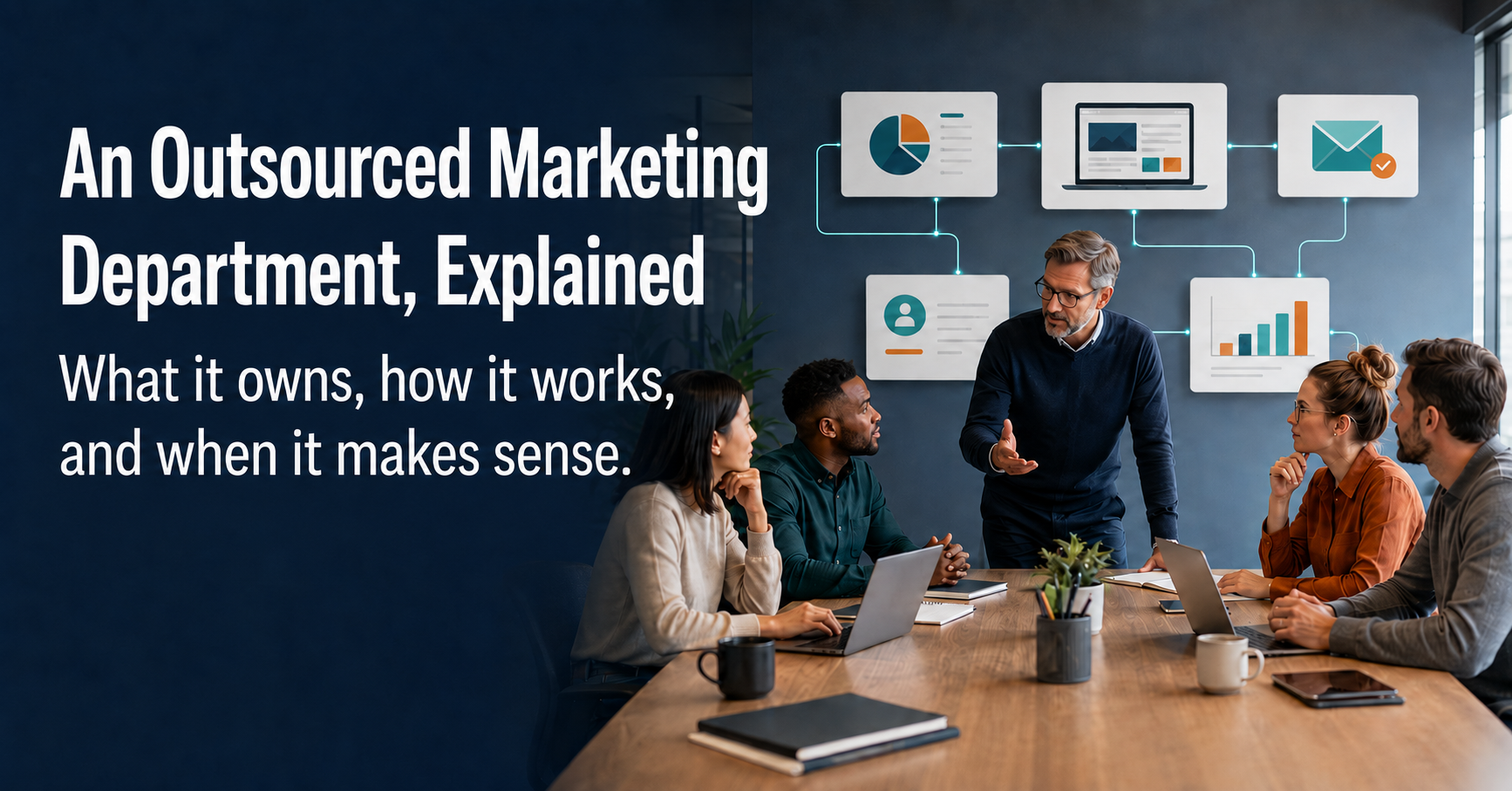
Many growing B2B companies have people helping with marketing but still do not have anyone truly running marketing.